Taiwan to build domestic RDX production line after Home-Max contract collapse
Taiwan's defence ministry will manufacture RDX explosives at home after a Taiwan contractor failed to secure export permits, reportedly following disclosures by an opposition legislator.
- Ministry of National Defense to produce RDX domestically after contractor's export permit failure.
- Home-Max Furniture Trading Co fined and blacklisted after missing 180-day permit deadline.
- Source alleges opposition legislator's disclosure of India as supplier derailed procurement.

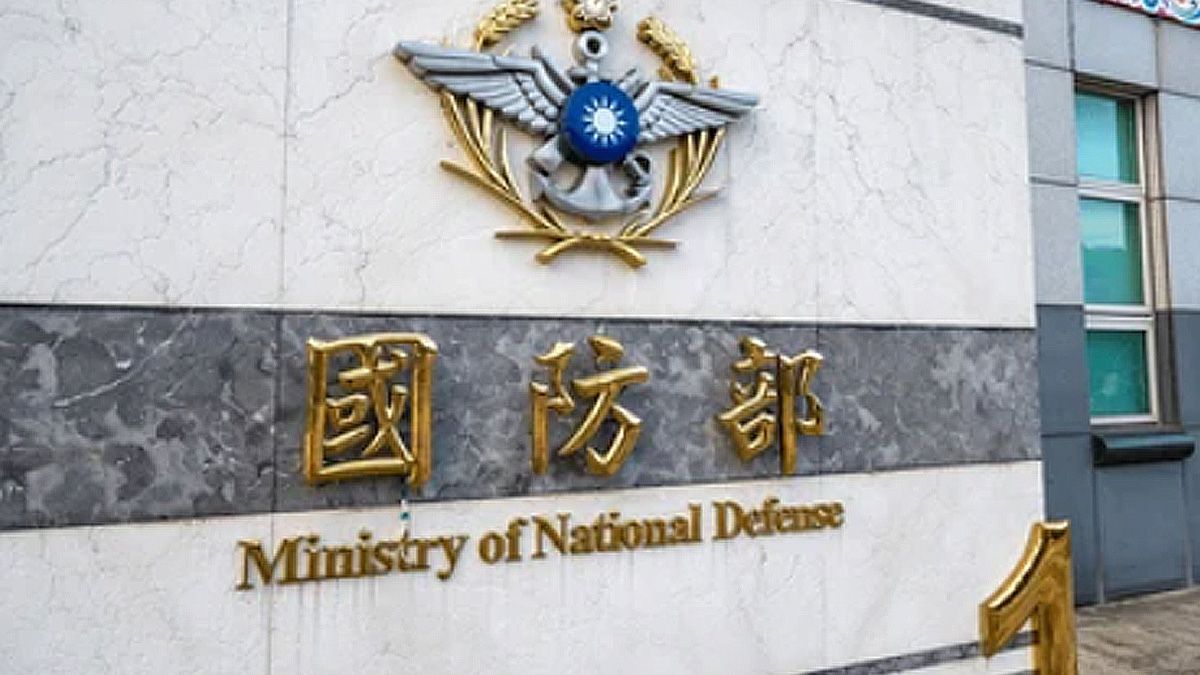
Taiwan's Ministry of National Defense (MND) confirmed on Tuesday, 21 July 2026, that it will establish domestic production of RDX explosives after the contractor awarded a procurement tender for the compound failed to secure the necessary export permits.
The ministry terminated its contract with Home-Max Furniture Trading Co (福麥國際室內裝修), forfeited the company's performance bond and imposed a fine, after the firm missed a 180-day deadline to obtain import and export permit documents required under the agreement.
Armaments Bureau Director-General Lieutenant General Lin Wen-hsiang told the legislature's Foreign Affairs and National Defense Committee that the ministry has recovered a total of NT$83.98 million (US$2.59 million) from the contractor, combining the forfeited bond and the fine, and has blacklisted the firm from future government procurements.
In a separate statement issued the same evening, the MND said the fine alone, calculated at 0.2 percent of the contract's total value for each day of delay since 1 June 2026, had accumulated to NT$42,750,893 by the time of termination.
RDX, also known as hexogen, is a key ingredient in TNT, Composition B, PBXN-109 and other explosive compounds used across military ordnance, from bombs and artillery shells to hand grenades. The ministry said the acquisition was intended to bolster the armed forces' asymmetric warfare capabilities, with funding drawn from the previous year's special defence budget.
Tender process and contract collapse
According to the ministry, the tender was opened on 20 October 2025 under the Government Procurement Act, with bidding qualifications set to encourage participation from domestic trading firms able to source foreign-produced explosives, since Taiwan's chemical industry cannot currently manufacture RDX itself.
The contract was awarded to Home-Max on 2 December 2025 and formally signed on 9 December. Under its terms, the contractor was required to submit export permit documentation within 180 calendar days of the award, a deadline that fell on 1 June 2026.
After a further 36-day grace period lapsed without the permits being secured, the ministry declared the contract overdue as of 6 July 2026 and proceeded with termination, triggering the forfeiture of the performance bond and additional administrative penalties, including debarment from future contracts.
Allegations of political interference
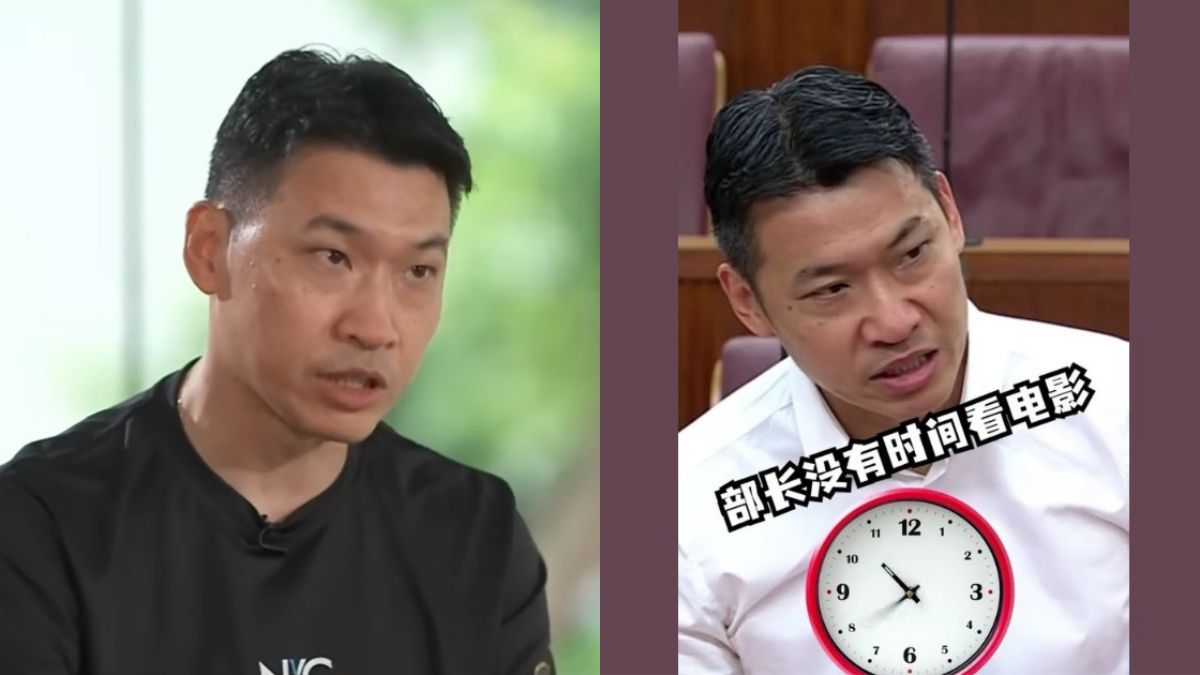
A defence official, speaking on condition of anonymity, alleged that Chinese Nationalist Party (KMT) Legislator Ma Wen-chun (馬文君) contributed to the deal's collapse by naming India as Taiwan's intended RDX supplier during a legislative session on 11 December 2025.
The official said that because the United States, China and India are the only countries capable of producing RDX at scale, the disclosure exposed the transaction to alleged Chinese political pressure directed at New Delhi.
The source alleged that although Ma's questions had ostensibly concerned Home-Max's qualifications as a contractor, naming India specifically was inappropriate, and claimed that New Delhi subsequently cited the geopolitical sensitivity of the sale in rejecting the export permit application.
The source further alleged that Home-Max had previously obtained ordnance-grade compounds for Taiwan without difficulty, and claimed that a follow-up funding allocation for an alternative RDX acquisition plan was later cut by the opposition coalition of the KMT and the Taiwan People's Party (TPP).
Legislator's response
Ma rejected the allegation that she had disclosed sensitive information, saying the list of countries capable of producing RDX at scale is widely known among those familiar with defence matters.
She said the ministry's reliance on India, rather than the United States, for the compound was puzzling given Washington's long-standing role as Taiwan's principal arms supplier and strategic partner.
Ma said law enforcement authorities had opened an investigation into the contract's collapse, and expressed confidence that any doubts about her conduct would be resolved.
She questioned the ministry's ability to establish domestic RDX production within six months of the failed tender, asking why the compound had been sourced abroad in the first place, and suggested the episode pointed to flaws in the procurement system.
Ministry's position going forward
The MND said it will now use supplementary or annual budget allocations to expand the Armaments Bureau's domestic production capacity, so that all future RDX requirements are met through indigenous manufacturing rather than imports.
The ministry said it would continue to pursue weapons and ammunition procurement in accordance with legal procedures and operational requirements, while strengthening qualification screening and contract oversight to safeguard national security.