
China sends emergency teams after Gansu flash flood kills 10 as Typhoon Noul raises new flood threats
A flash flood in Gansu Province killed 10 people and injured 23 as China deployed emergency rescue teams and strengthened flood-control measures across several provinces ahead of Typhoon Noul.
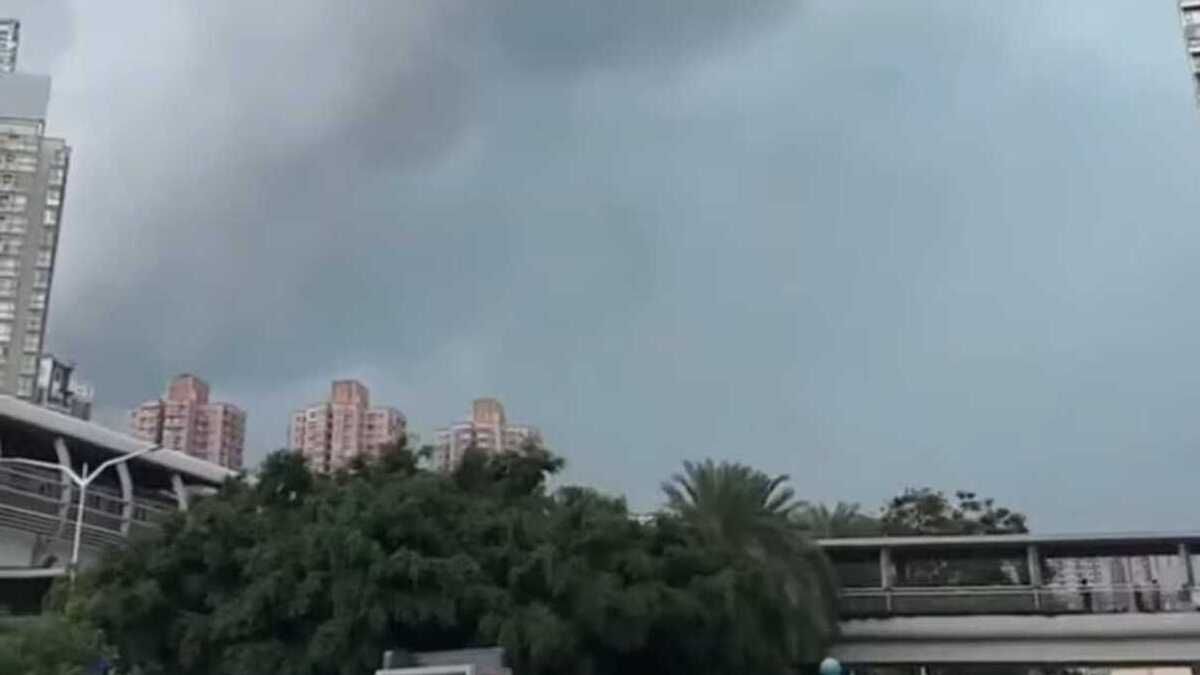
- A flash flood in Gansu Province killed 10 people and injured 23 after sudden heavy rainfall.
- China upgraded flood-control measures in three provinces as Typhoon Noul increased mountain flood risks.
- Emergency teams and disaster relief supplies were deployed to support rescue and evacuation efforts.

Chinese authorities have sent emergency response teams to northwest China's Gansu Province after a flash flood in a scenic area killed 10 people and injured 23 others, while flood-control measures were strengthened in Jiangxi, Hunan and Guangdong provinces due to risks linked to Typhoon Noul.
The Office of the State Flood Control and Drought Relief Headquarters and the Ministry of Emergency Management (MEM) dispatched a work team to Gansu on Sunday to guide rescue and relief operations following the deadly flooding.
The national flood control authority activated a Level-IV flood prevention emergency response for Gansu Province, the MEM said.
China operates a four-tier emergency response system for floods, with Level I representing the most severe level.
Flash flood hits scenic area in Gansu
The flash flood struck a scenic area in Weiyuan County, Dingxi City, on Sunday afternoon after sudden heavy rainfall.
As of 6 p.m. on Sunday, the disaster had left 10 people dead and 23 others injured, according to local authorities.
Some tourists who had been camping in the scenic area were trapped when floodwaters suddenly surged through the area.
Rescue operations were launched immediately, with 305 personnel from national comprehensive fire and rescue teams deployed alongside 68 vehicles, according to the Ministry of Emergency Management.
Authorities continued search and rescue efforts while assessing the impact of the disaster.
Flood risks increase as Typhoon Noul approaches
Meanwhile, China's Ministry of Water Resources upgraded its flood-control emergency response for Jiangxi, Hunan and Guangdong provinces from Level IV to Level III on Sunday due to increased risks of mountain floods caused by Typhoon Noul.
Jiangxi is located in eastern China, Hunan in central China, and Guangdong in southern China.
Risk assessments showed that 43 counties across the three provinces were expected to face red-alert-level risks of mountain floods from 8 a.m. Sunday to 8 a.m. Monday, indicating a high probability of flooding in mountainous areas.
The Ministry of Water Resources dispatched two additional working teams to Jiangxi and Hunan to assist local authorities and guide flood-control operations.
Authorities strengthen monitoring and evacuation measures
The ministry urged local water resources authorities to closely monitor Typhoon Noul's movement and potential impact, particularly in high-risk areas.
Officials were instructed to pay close attention to mountain rivers, residential areas near mountain gullies, construction sites, valley tourist attractions, and locations around bridges.
Authorities were also told to fully utilise monitoring and early-warning systems, ensure warnings reach residents in affected areas, and carry out timely evacuations when necessary to protect lives.
Emergency supplies sent to affected provinces
A total of 25,000 pieces of disaster relief equipment were sent to Guangdong, Jiangxi and Hunan provinces on Sunday to support emergency response operations.
The supplies included folding beds, tables and chairs, blankets, and family emergency kits.
The equipment was jointly allocated by the Office of the National Commission for Disaster Prevention, Reduction and Relief, the Ministry of Emergency Management, and the National Food and Strategic Reserves Administration.
The supplies will be used to assist local authorities in evacuating and resettling residents affected by flooding risks and to provide emergency support during disaster response operations.