'If this had happened to any other MP, we would have done the same': PM Wong on Faishal's resignation
PM Lawrence Wong said his initial reaction to the complaint against Faishal Ibrahim was "disbelief and shock", but that a review of the evidence left no room to make an exception, even as he acknowledged the outpouring of public support.
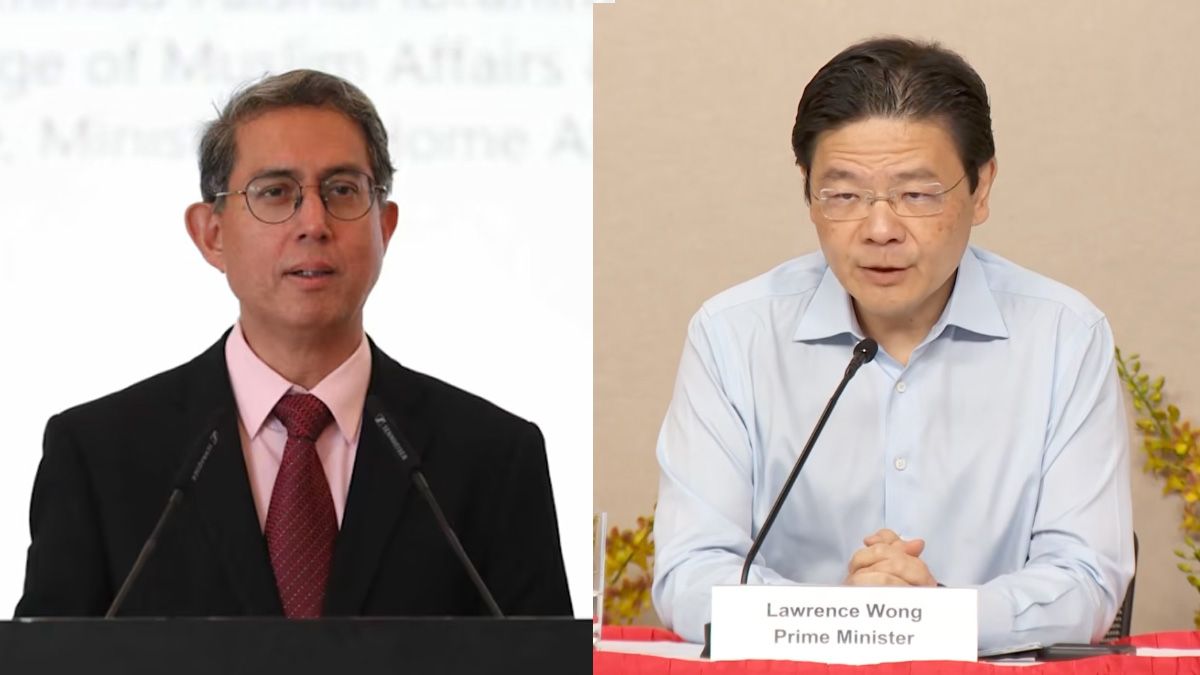

Prime Minister Lawrence Wong has said a review of the evidence surrounding Associate Professor Muhammad Faishal Ibrahim's case made clear that his conduct had fallen short of the standards expected of him, and that several colleagues who independently reviewed the same evidence reached the same conclusion.
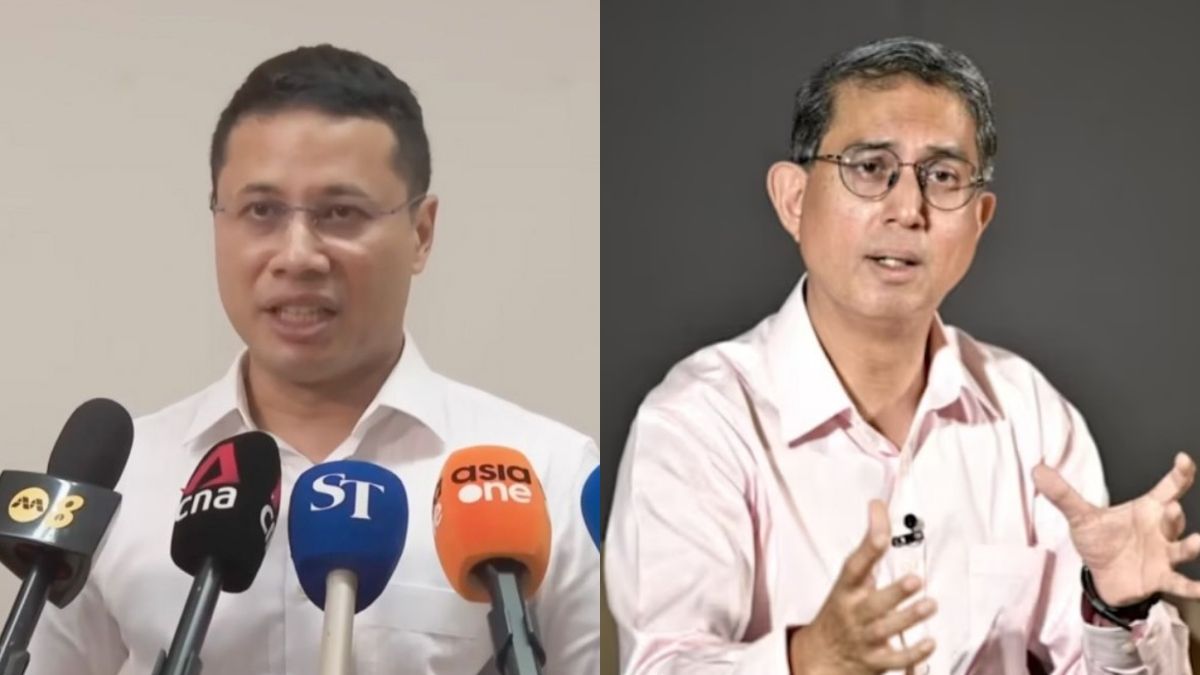
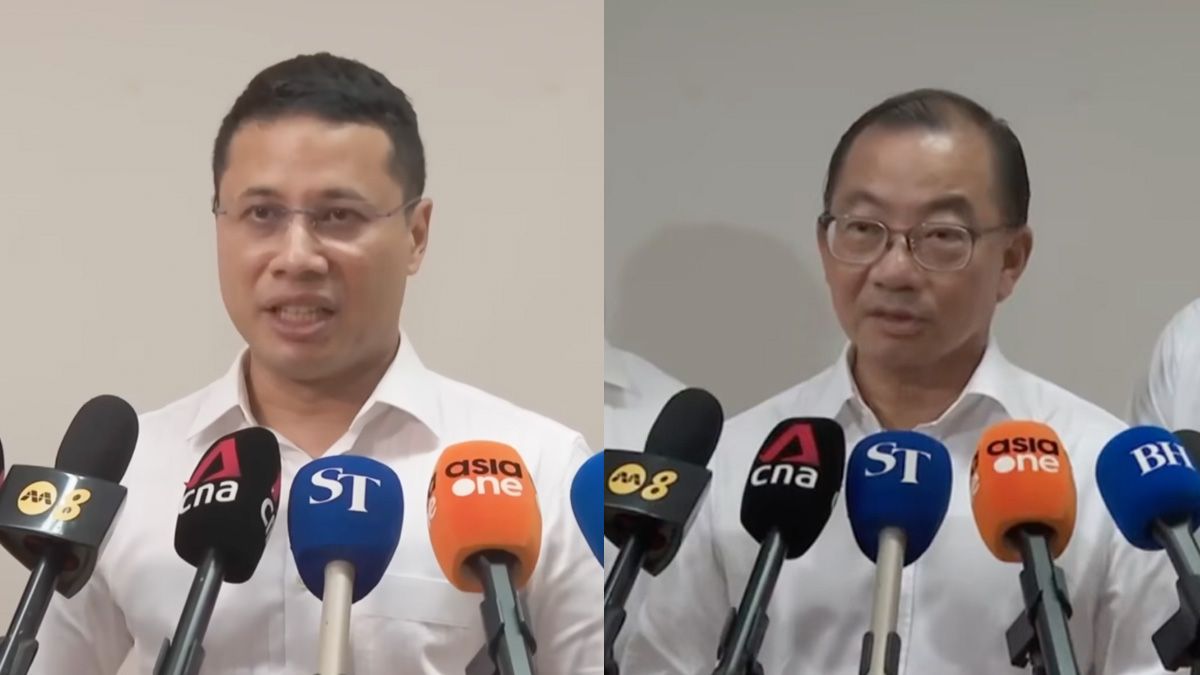
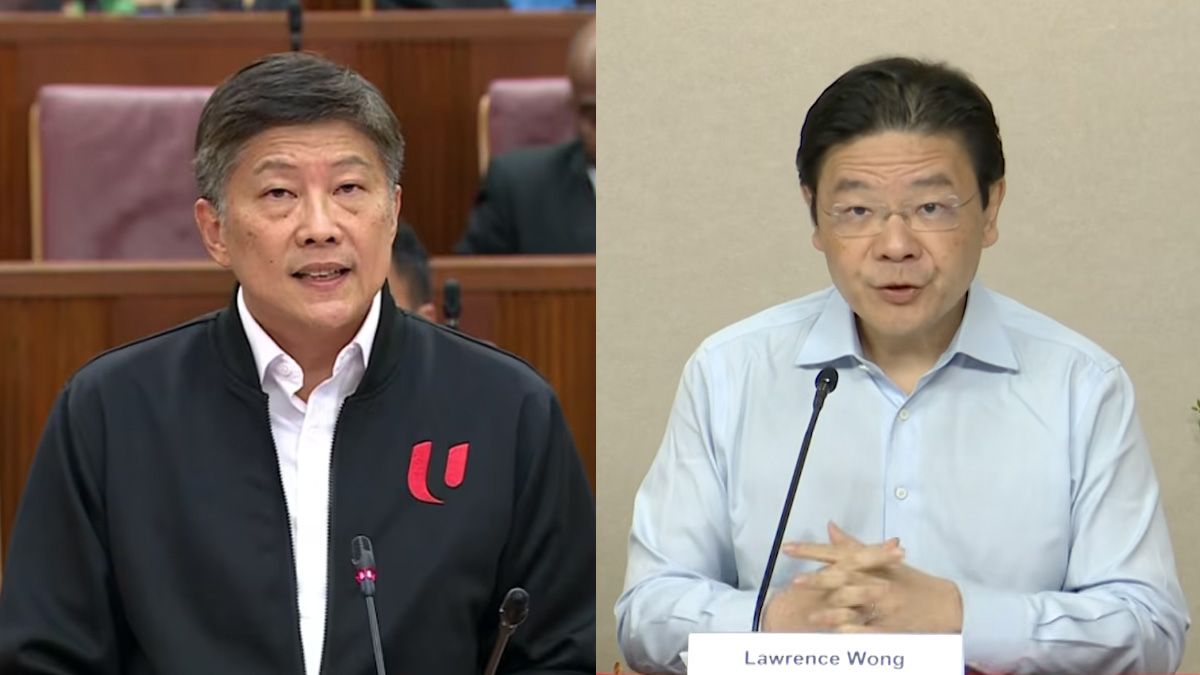
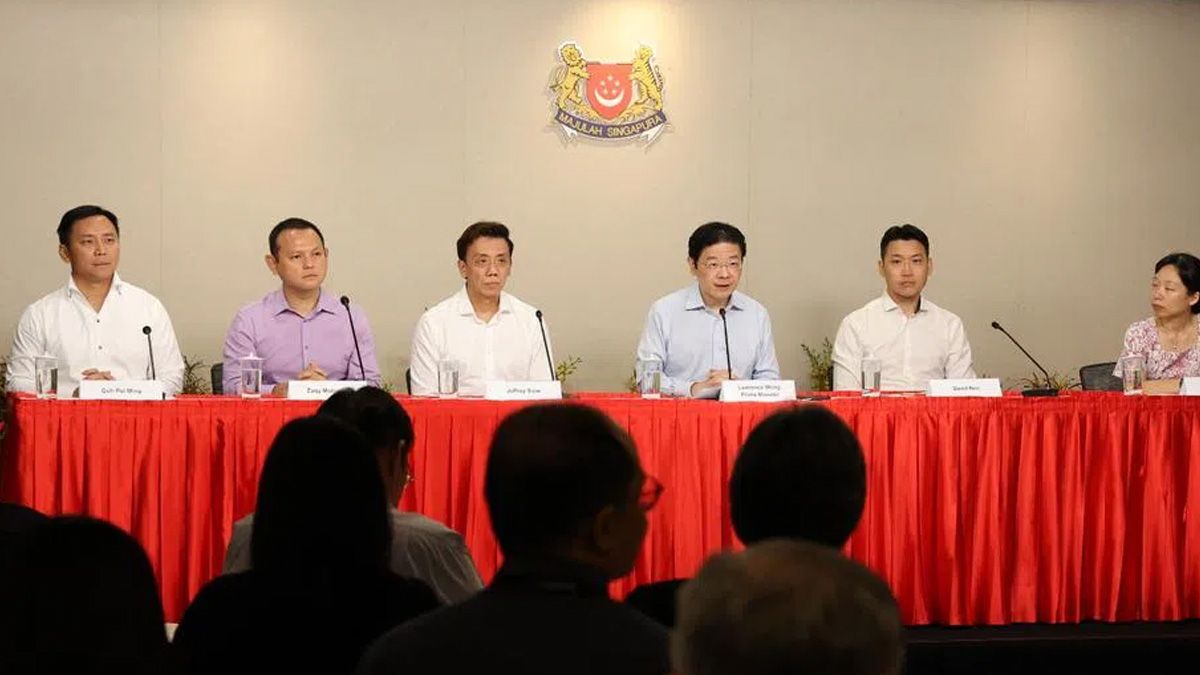
Speaking to reporters on 22 July at a press conference held to announce his Cabinet reshuffle, PM Wong said he agreed with Faishal's decision to resign, while acknowledging the difficulty of losing him and the public support that had followed the news.
Faishal resigned on 20 July from political office over a "lapse of judgment" in handling his interactions with an unidentified woman, stepping down as Acting Minister-in-Charge of Muslim Affairs, Senior Minister of State for Home Affairs, Member of Parliament (MP) for Marine Parade-Braddell Heights GRC, and a member of the People's Action Party (PAP).
PM Wong's office had said the matter first came to its attention around a month earlier, after the woman emailed his office, and that both parties had made allegations of harassment against each other. Following investigation and consultation with the Attorney-General's Chambers, it was assessed that no criminal offence had been committed by either party.
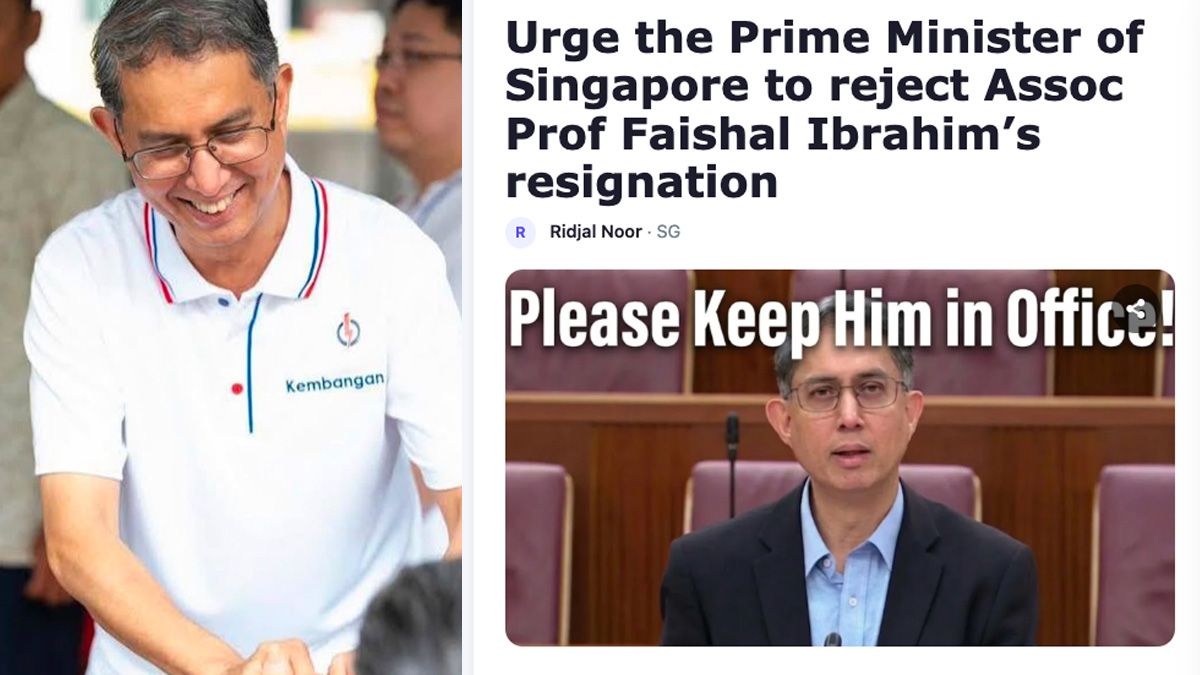
In the days since, an online petition urging PM Wong to reject the resignation has gathered over a thousand signatures, while residents and community figures have posted extensively in tribute to Faishal's constituency work.
PM Wong's 22 July remarks are his first extended public comments on the matter since his initial written statement.
'Disbelief and shock'
PM Wong said he first learnt of the situation when the woman emailed his office, describing the email as "detailed" and noting it contained screenshots and other information about her interactions with Faishal. "My initial reaction was disbelief and shock," he said, adding that he had at first thought the contents were fabricated.
Asked whether the response to the situation had been too harsh, PM Wong said Faishal himself, upon reflection, had realised it was not tenable to continue as a political office-holder and MP. "His explanation is that he was trying his best to manage what he felt was an awkward situation, and he did not want to abruptly cut off the interactions with the lady," Wong said.
He said Faishal accepted that he had made "a very serious mistake in engaging her, even when the nature of the interactions crossed the line", and that his responses were, "objectively speaking, questionable and inappropriate". Faishal thus asked to step down, PM Wong said, adding that the government had as far as possible respected his request for privacy for himself and his family.
'I tried my very best'
PM Wong said he had tried his "very best" to see whether there was a way for Faishal to continue in office despite the circumstances. However, he said, the situation was no longer a private matter between two individuals once the complaint against Faishal had made it a public matter, and it therefore had to be assessed objectively, taking into account the accounts of both parties.
"If this matter had happened to any other MP in the PAP, we would have done the same thing. The same process (and) the same standards would apply, and the same consequences would have followed," he said.
That framing echoes the account given separately the same day by Home Affairs Minister K Shanmugam, who was Faishal's superior at the Ministry of Home Affairs.
In a Facebook post, Shanmugam described Faishal's responses to the woman as "objectively, inappropriate and questionable", saying they came across as engaging with her, and that she had interpreted them as encouragement to continue.
Shanmugam said the woman became angry when Faishal tried to stop the exchanges, and subsequently emailed PM Wong with some of the messages and pictures, alleging harassment; Faishal in turn alleged that she had harassed him, which was why the matter went to the police.
The standard applied
Shanmugam said the standards governing personal conduct in such cases had been set out by founding prime minister Lee Kuan Yew, and more recently reaffirmed by Senior Minister Lee Hsien Loong during his own premiership.
"Where a matter remains entirely private and inappropriate conduct stops after counselling, it can remain a private matter," Shanmugam wrote. "But when the matter enters the public domain through a complaint or otherwise, it must be examined and if there has been impropriety appropriate action must follow."
Both accounts locate the decisive shift not in the severity of the underlying conduct alone, but in the woman's decision to lodge a complaint directly with the Prime Minister, which moved the matter from a private one to a public one requiring formal examination.
'The temptation to make an exception'
PM Wong described it as "painful and difficult" to lose someone like Faishal, and said he understood the outpouring of support from Singaporeans, and particularly from the Malay/Muslim community, following the news.
He said the case did not diminish Faishal's contributions over his 20-year political career, and acknowledged the temptation to make an exception for him.
"But I think doing so will only cause more damage and harm to Singapore," PM Wong said. "We have to do the right thing, and we have to continue to uphold the trust that Singaporeans have in our political system and in our public institutions."
Continuity and representation
PM Wong said the work Faishal had done in his time as Acting Minister-in-Charge of Muslim Affairs would continue under Zaqy Mohamad, who has taken over the portfolio, together with other Malay/Muslim political office-holders and MPs.
On the broader question of Malay/Muslim representation among office-holders, PM Wong cited Zhulkarnain Abdul Rahim, who began serving as Minister of State for Foreign Affairs and Social and Family Development in 2026, as an example of someone who had done well and shown potential.
"Over the course of the next few years, we will continue to look at others as and when they are ready," he said, adding that the government was always looking to refresh its leadership across the board, including for the Malay/Muslim community.
Public response
PM Wong's remarks came against a backdrop of sustained public support for Faishal. The online petition urging him to reject the resignation and reinstate Faishal has continued to grow, surpassing 1,300 signatures, though it does not appear to require signatories to verify they are based in Singapore, and is seeking 10,000.
Alongside the petition, residents and community figures across Faishal's current and former wards have posted extensively in tribute since his resignation.
These have included accounts from Kembangan-Eunos residents describing his hands-on help with housing and family difficulties, a Nee Soon resident recalling 15 years of his presence at community events, and a Kembangan branch secretary who described watching him listen patiently to a resident's harsh feedback during a house visit.
On social media platforms including Threads and Facebook, many posts from members of the Malay/Muslim community expressed sadness at his departure and offered prayers for him and his family, though some users were more critical, questioning the tributes or the circumstances of the complaint.
It was this response that PM Wong appeared to acknowledge when he spoke of understanding the "outpouring of support" for Faishal, particularly from the Malay/Muslim community, even as he maintained that making an exception would ultimately harm public trust in Singapore's institutions.