Shanmugam explains why Faishal had to go: 'objectively inappropriate' messages that became public
Home Affairs Minister K Shanmugam has given the fullest account yet of Faishal Ibrahim's resignation, two days after the PMO's statement and amid a petition and community tributes calling for his reinstatement.
- Shanmugam says Faishal's messages were "objectively, inappropriate and questionable".
- Cites LKY-era principle: private misconduct can stay private, public complaints must be acted on.
- Shares personal anecdotes from 15 years working alongside Faishal in Nee Soon GRC and MHA.

Two days after Associate Professor Muhammad Faishal Ibrahim resigned as Acting Minister-in-Charge of Muslim Affairs, Senior Minister of State for Home Affairs, Member of Parliament (MP) for Marine Parade-Braddell Heights GRC, and a member of the People's Action Party (PAP), Home Affairs Minister K Shanmugam has given the fullest public account yet of what led to the resignation, in a Facebook post published on 22 July.
Faishal resigned on 20 July, citing a "lapse of judgment" in his handling of interactions with a woman who is a member of the public. In his resignation letter, he said there had been no physical relationship between them and that he had not intended for the interactions to develop into one. PM Lawrence Wong's office said the matter had come to its attention around a month earlier, after it received an email from the woman, and that both Faishal and the woman had subsequently made allegations of harassment against each other.
Following investigation and consultation with the Attorney-General's Chambers, authorities assessed that no criminal offence had been committed by either party.
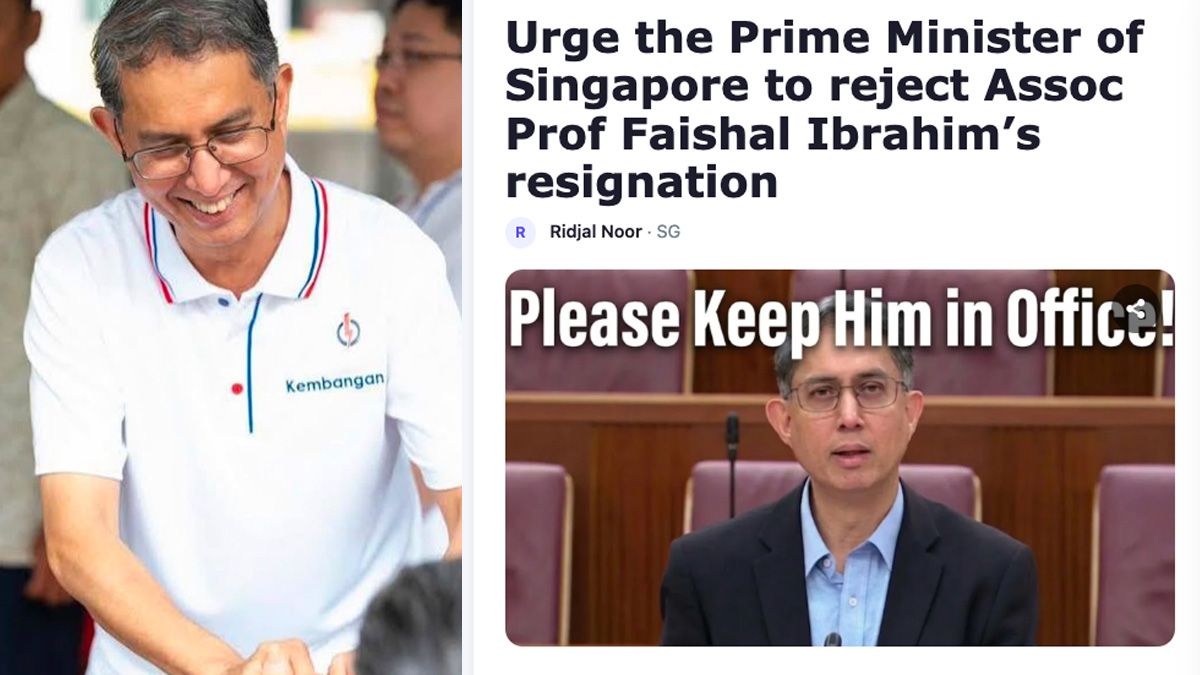
In the days since, the resignation has drawn a mixed public response. An online petition urging PM Wong to reject the resignation and reinstate Faishal has gathered more than 900 signatures, arguing that Singapore needs experienced, steady leaders and that his departure represents a loss of relationships and ongoing work residents rely on.
Separately, former Nominated MP Calvin Cheng and alternative party Red Dot United have called for a by-election rather than either outright reinstatement or the current arrangement, while residents and community figures across his current and former wards have posted extensively about his personal conduct as an MP, from house visits to Meet-the-People Sessions.
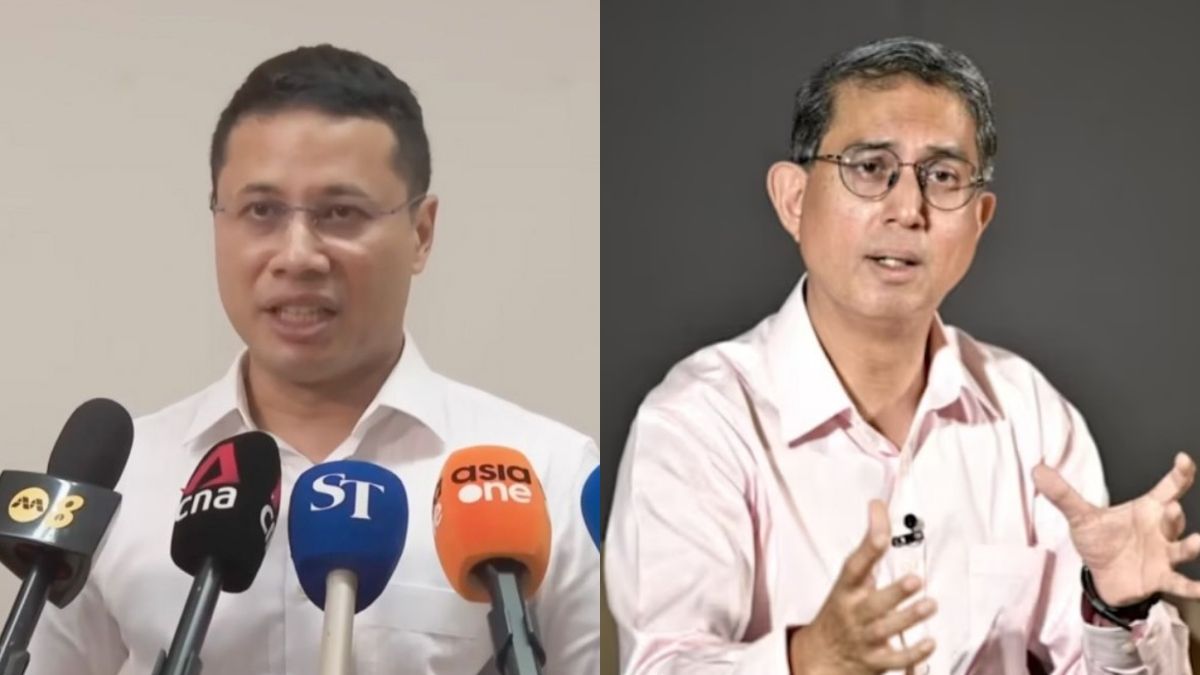
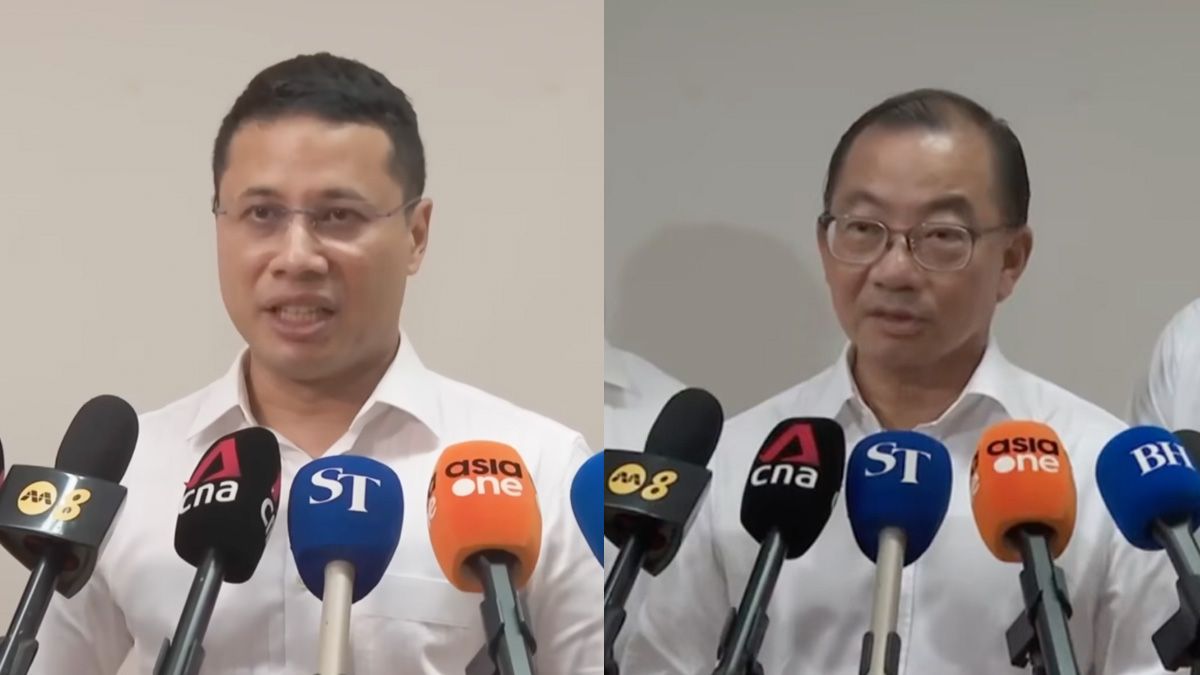
Education Minister Desmond Lee, addressing reporters on the day of the resignation, confirmed no by-election would be held, and said the party's code of conduct applied equally to all MPs and office-holders.
Shanmugam's post, coming after this initial wave of reaction, is the first time a senior minister has laid out in detail what the interactions actually involved and why they were treated as they were.
An extended tribute
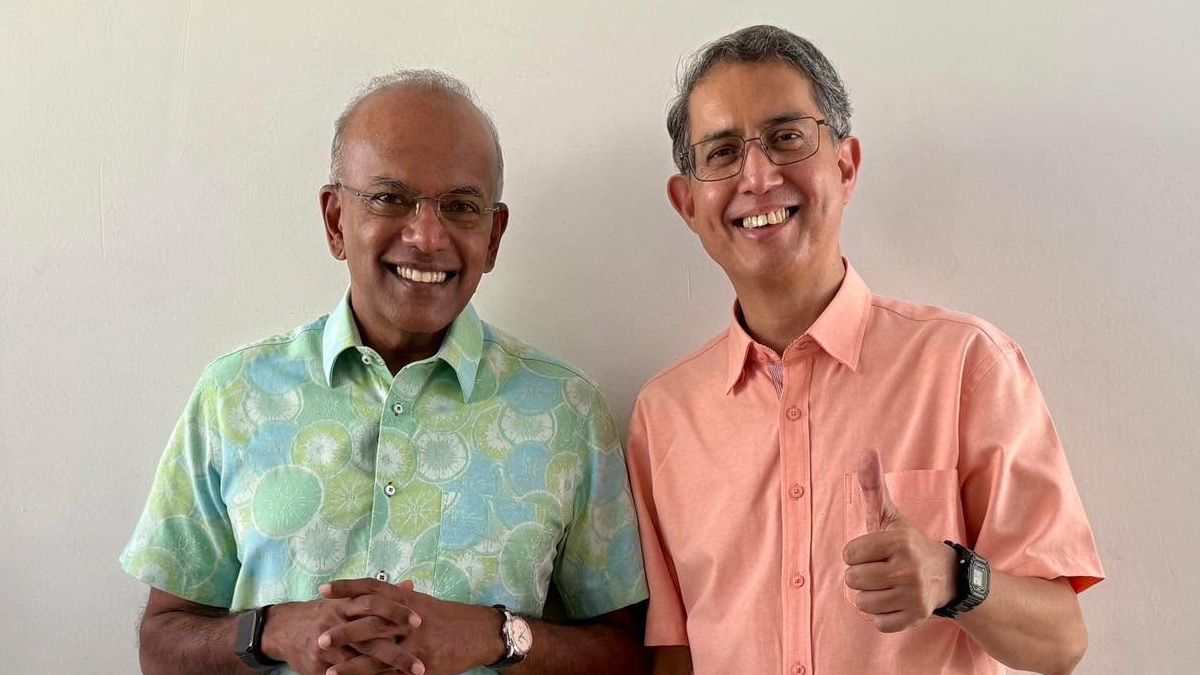
Shanmugam, who said he had known Faishal for more than 20 years and worked closely with him in Nee Soon GRC for 15 years and, more recently, as his Senior Minister of State at the Ministry of Home Affairs (MHA), opened his post with an extended tribute before addressing the resignation itself.
He described Faishal as "a true gem" whose "heart is in the right place", saying he had not come across many people, in or out of government, better than him. Shanmugam gave three examples of Faishal's community work: an initiative he started around a decade ago in Nee Soon Central to help lower-income residents purchase groceries at more affordable prices; his practice of writing Chinese calligraphy pieces for residents during Chinese New Year celebrations as a way of bringing different communities together; and his decision to personally visit a block in Nee Soon Central during the COVID-19 pandemic, when multiple cases were detected there, to reassure residents and address their concerns.
Shanmugam said Faishal had also personally used his own car at times to ferry residents with mobility issues.
What happened, according to Shanmugam
Turning to the resignation, Shanmugam said there had been a series of online interactions between Faishal and the woman. He said Faishal had explained that he continued the exchanges because he was worried she might react negatively if he cut her off abruptly. Shanmugam said Faishal's responses nonetheless came across as engaging with her, and that this was how she had interpreted them, saying she felt encouraged to continue.
When Faishal later tried to stop the exchanges, the woman became angry, Shanmugam said. She subsequently emailed PM Wong directly, sending some of the messages and pictures from their interactions and alleging harassment by Faishal. Faishal, in turn, alleged that the woman had harassed him, which Shanmugam said was why the matter was referred to the police.
Shanmugam said the matter ceased to be "a purely private, consensual matter between two individuals" once the woman emailed PM Wong directly, escalating it to what he called "semi-public". "She had lodged a complaint against a public office holder," he said, adding that this made it necessary for the Prime Minister's Office to examine the appropriateness of Faishal's conduct.
Shanmugam said Faishal was given a fair hearing, and that he had himself reflected on the matter and acknowledged he should not have allowed the exchanges to continue, and that clearer boundaries should have been established from the start. "He also came to the conclusion that his position as MP and Minister was untenable. That is why he decided to resign and PM accepted his resignation," Shanmugam wrote.
The standard applied
Shanmugam said the standards governing personal conduct in such situations had been set out previously by founding prime minister Lee Kuan Yew, and more recently reaffirmed by Senior Minister Lee Hsien Loong during his own tenure as prime minister.
"The principle is straightforward. Where a matter remains entirely private and inappropriate conduct stops after counselling, it can remain a private matter," Shanmugam wrote. "But when the matter enters the public domain through a complaint or otherwise, it must be examined and if there has been impropriety appropriate action must follow."
That framing positions the woman's decision to email PM Wong directly, rather than the severity of the underlying conduct on its own, as the specific event that moved the matter from private to something requiring formal examination and consequence.
Closing tribute
Shanmugam closed his post describing the situation as "a very sad" one, involving "a good, honest, humble, hardworking man, who really cares for the people".
He said he was saddened for his "comrade and friend", and hoped Faishal would recover from what he called "this tragic turn in his life" and find other ways to contribute to the community and Singapore.
"He still has much to contribute," he wrote.