78-year-old man found dead in Lengkok Bahru flat after bread left uncollected for week
A 78-year-old man was found dead in his Lengkok Bahru flat on 25 July 2026 after volunteers noticed bread delivered to his home had remained uncollected for a week.
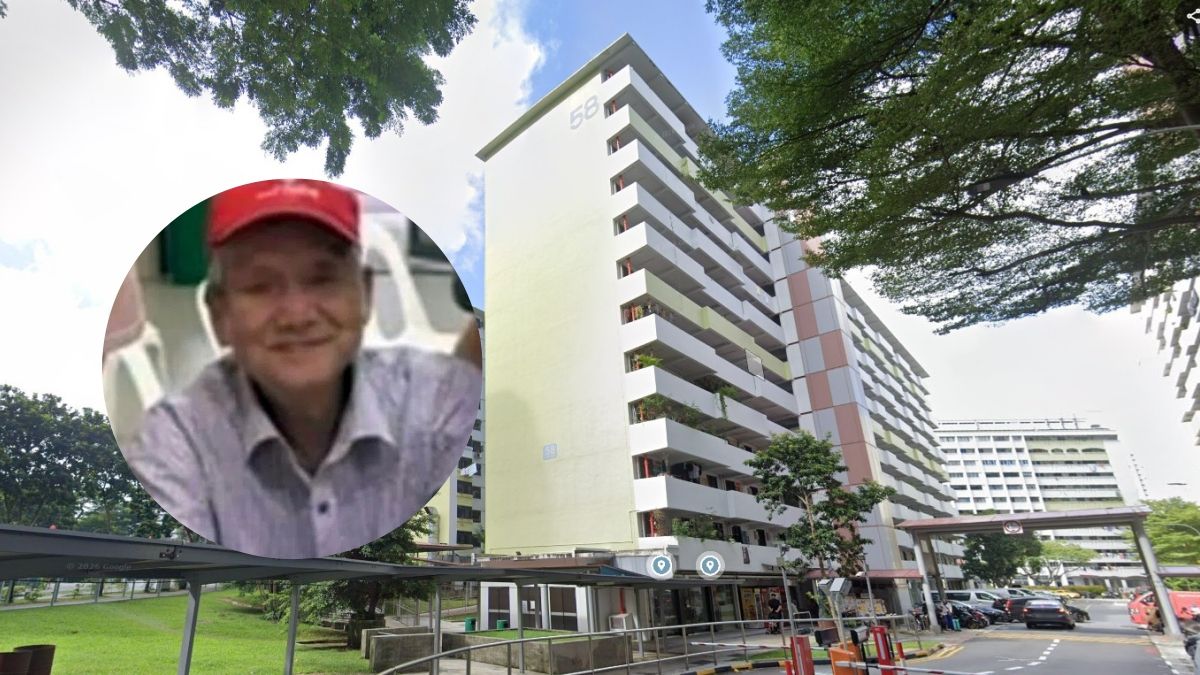
- A 78-year-old man was found dead in his Lengkok Bahru flat on 25 July 2026.
- Volunteers alerted police after bread delivered to his home remained uncollected for a week.
- Police said preliminary investigations do not suspect foul play, while investigations are ongoing.

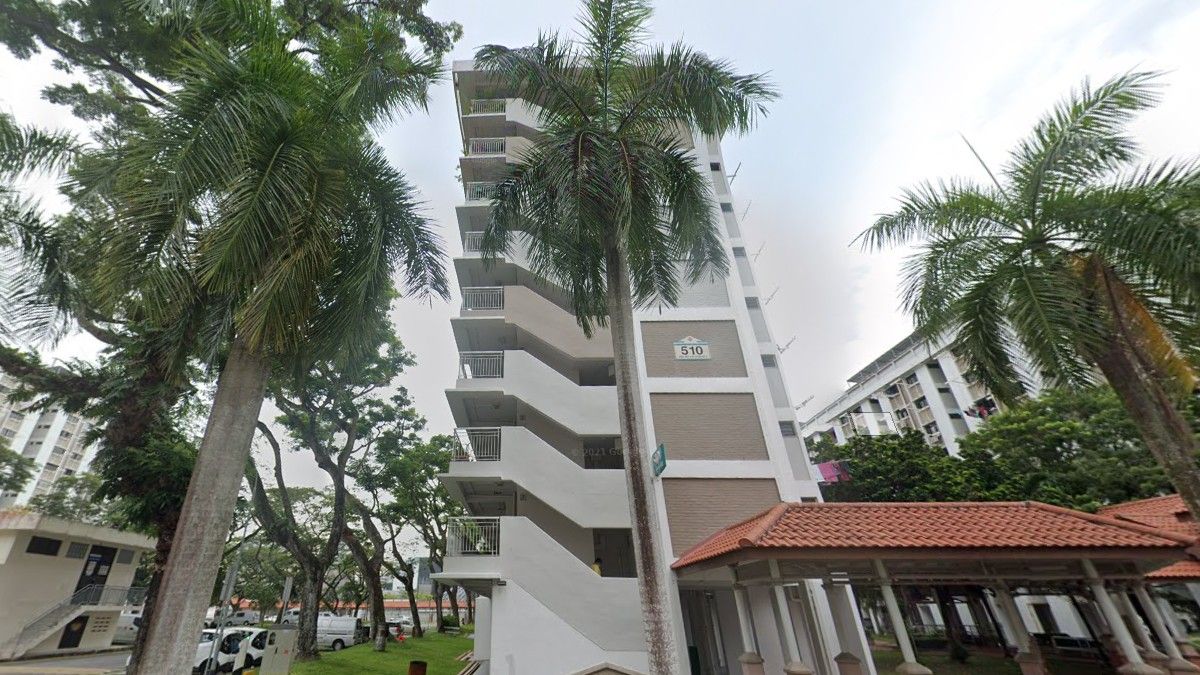
SINGAPORE: A 78-year-old man was found motionless and pronounced dead in his Block 58 Lengkok Bahru flat on 25 July 2026 after volunteers discovered that bread delivered to his home had not been collected for a week.
According to local Mandarin news outlet Shin Min Daily News, the man was identified as Lim Ah Bah (林亚峇).
Police told Shin Min that they received a call for assistance at Block 58 Lengkok Bahru at about 12.20pm on 25 July.
A 78-year-old man was found lying motionless inside a residential unit and was pronounced dead at the scene.
Preliminary investigations found no suspicion of foul play, police said, adding that investigations are ongoing.
Found inside living room
According to Shin Min, Lim was found lying dead in the living room, near the metal gate of the flat.
The report also described the home as being filled with clutter. Police officers arrived at the unit, where the area was subsequently cordoned off.
Lim's siblings and other family members arrived at about 4pm. His body was later loaded into a vehicle at about 5.30pm.
His family also burned joss paper as part of farewell rituals.
Neighbours last saw him on 16 July
Two neighbours told Shin Min that Lim had lived in the flat for more than 40 years.
He had previously worked as a cleaner before retiring. His sister reportedly visited him frequently and helped to clean his home, the neighbours said.
A 70-year-old neighbour, Chen, a transliterated name, said Lim would push his bicycle and leave the flat every day.
Chen said he last saw Lim on 16 July, when Lim had gone downstairs to sing with other residents.
He said he had not seen Lim since then.
"When the volunteers arrived this morning, they found that the bread from last Saturday was still hanging at the door and had not been taken inside," Chen told Shin Min.
The volunteers subsequently called the police after realising that something appeared to be wrong.
Family describes him as an introvert
Lim's sister told Shin Min that her brother was an introvert and a bachelor.
Although he had always appeared to be healthy, she said he had complained of a prostate problem about two weeks before his death.
Lim's younger sister also said she would visit him during school holidays when she did not have to care for her grandchildren.
She added that Lim would visit their home for a feast during each New Year.
Renewed concern over lonely deaths
The latest case has drawn renewed attention to the issue of people, particularly elderly residents living alone, being found dead in their homes days after their deaths.
On 20 July, a 61-year-old man was found dead in his Ang Mo Kio flat after neighbours became concerned over his week-long absence, the disappearance of his daily routine and a strong foul smell.
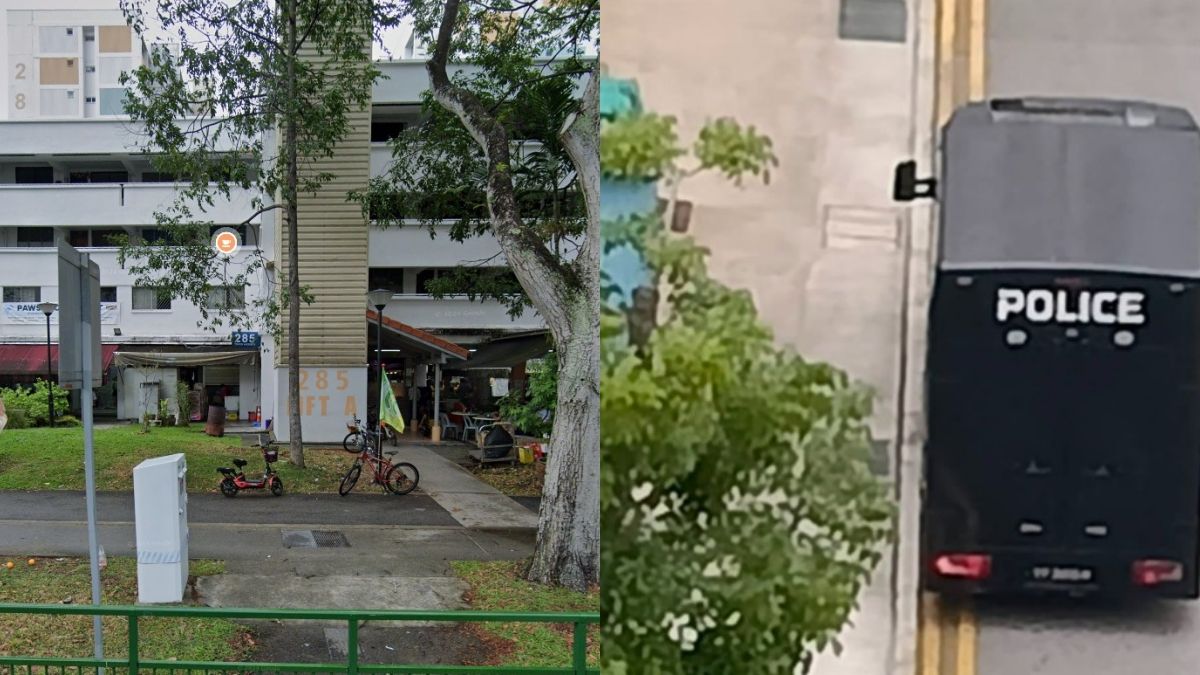
On 7 July, a 63-year-old man was found dead in his flat at Block 285 Yishun Avenue 6 after neighbours reported a persistent foul smell and an unusual increase in flies.
On 5 July, another elderly resident was found dead after neighbours alerted the authorities over a worsening odour and a pile of uncollected newspapers outside his flat.
Earlier in June, a 73-year-old man in Buangkok, as well as two elderly residents living in separate Housing Board flats in Bedok and Ang Mo Kio, were also found dead after employers or neighbours raised the alarm.
MSF: Seniors living alone rose from 41,200 to 88,400 in 10 years
Singapore became a super-aged society in 2026, with more than 20 per cent of its population aged 65 and above.
According to the Family Trends Report 2026 released by the Ministry of Social and Family Development (MSF) on 10 July, the number of residents aged 65 and above living alone more than doubled over the decade, from 41,200 (2015) to 88,400 (2025), even as the elderly resident population grew to 768,800.
Figures compiled by social service group Loving Heart from media reports and online sources, including Death Kopitiam Singapore, indicate that at least 33 seniors died undetected in 2025, compared with at least 42 cases in 2024.
MOH does not track or publish data on seniors found dead alone at home
On 7 July, Coordinating Minister for Social Policies and Minister for Health Ong Ye Kung said the Ministry of Health (MOH) does not systematically track or publish the number of seniors who die alone at home and are discovered only days later.
In a written reply to separate Parliamentary Questions from Workers' Party MP Fadli Fawzi and Nominated MP Dr Neo Kok Beng, Ong said the ministry's priority is preventing such situations by identifying and supporting vulnerable seniors before crises occur.
Fadli had asked whether the Government would begin tracking and publishing the number of seniors whose deaths were detected only days after they had passed away at home, and if not, why.
Dr Neo asked whether MOH would consider partnering with social organisations to develop, pilot or subsidise small home robots to monitor the wellbeing of seniors living alone following recent cases of undetected deaths.
Community outreach and technology
Responding to the questions, Ong said, "MOH's focus is upstream – to reach out to as many seniors as we can and provide support to those who are vulnerable, such as referring them to Active Ageing Centres."
He added that the Silver Generation Office under the Agency for Integrated Care systematically conducts outreach to identify seniors who may be at risk.
Ong also said neighbours, community groups and grassroots organisations play an important role in looking out for vulnerable seniors and providing assistance where needed.
He said the Government has also expanded the use of technology to support seniors living alone.
According to Ong, the Housing and Development Board has progressively extended its wireless Alert Alarm System to seniors living in public rental blocks, enabling them to call for assistance during emergencies.
He added that MOH rolled out its enhanced Home Personal Care service nationwide in April 2026.
Under the scheme, eligible seniors may subscribe to a 24-hour monitoring and response system capable of detecting falls and providing timely assistance.
This is not the first time the issue has been raised in Parliament.
In a parliamentary reply in 2025, Ong had similarly said that MOH does not systematically track such deaths.