Progress Singapore Party urges Singapore to exhaust alternatives before clearing Maju Forest
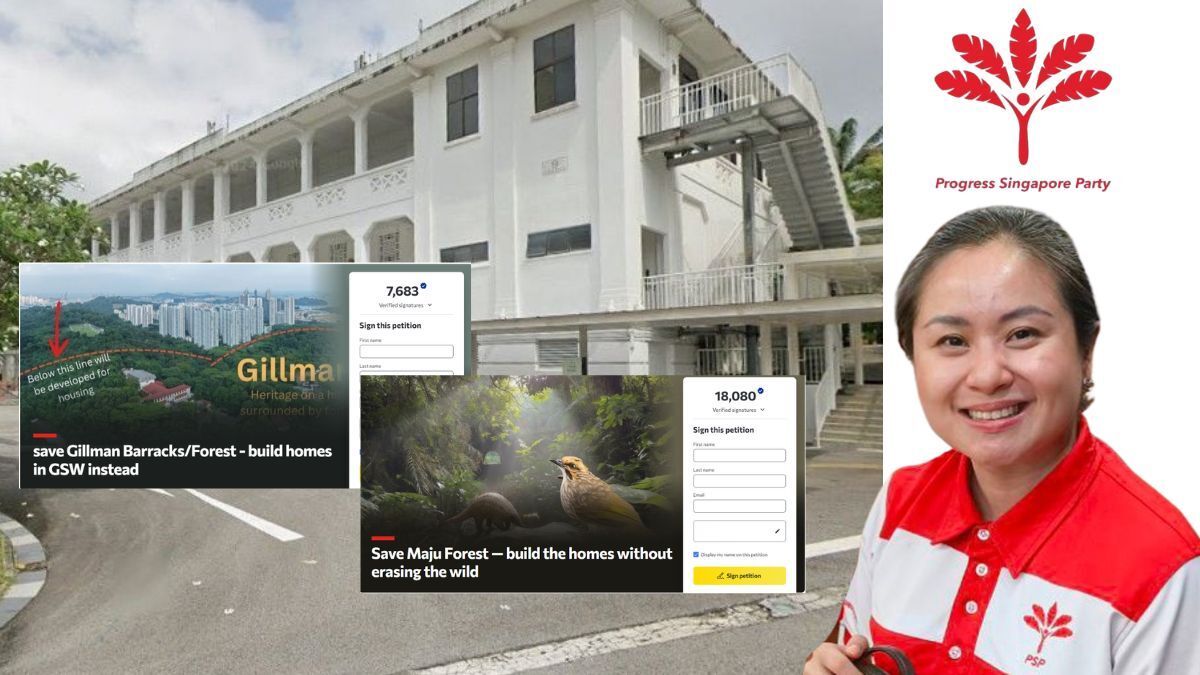
The Progress Singapore Party has urged the authorities to exhaust every reasonable alternative before clearing Maju Forest for public housing, with party member Stella Stan Lee arguing that housing policy cannot be separated from population policy.
- PSP urges authorities to exhaust every alternative before clearing Maju Forest for housing.
- Party member Stella Stan Lee links housing demand to Singapore's population policy.
- Petitions near 25,000 signatures; HDB feedback window closes 6 August 2026.

The Progress Singapore Party (PSP) has backed petitions calling for the preservation of Gillman Barracks and Maju Forest, adding an opposition party voice to a debate that has drawn thousands of signatures since redevelopment plans were announced.
The party's position was set out in a public post by PSP member Stella Stan Lee, titled "Don't sacrifice our forests without first exploring every other option", in which she called on the authorities to exhaust every reasonable alternative before clearing part of Maju Forest for public housing.
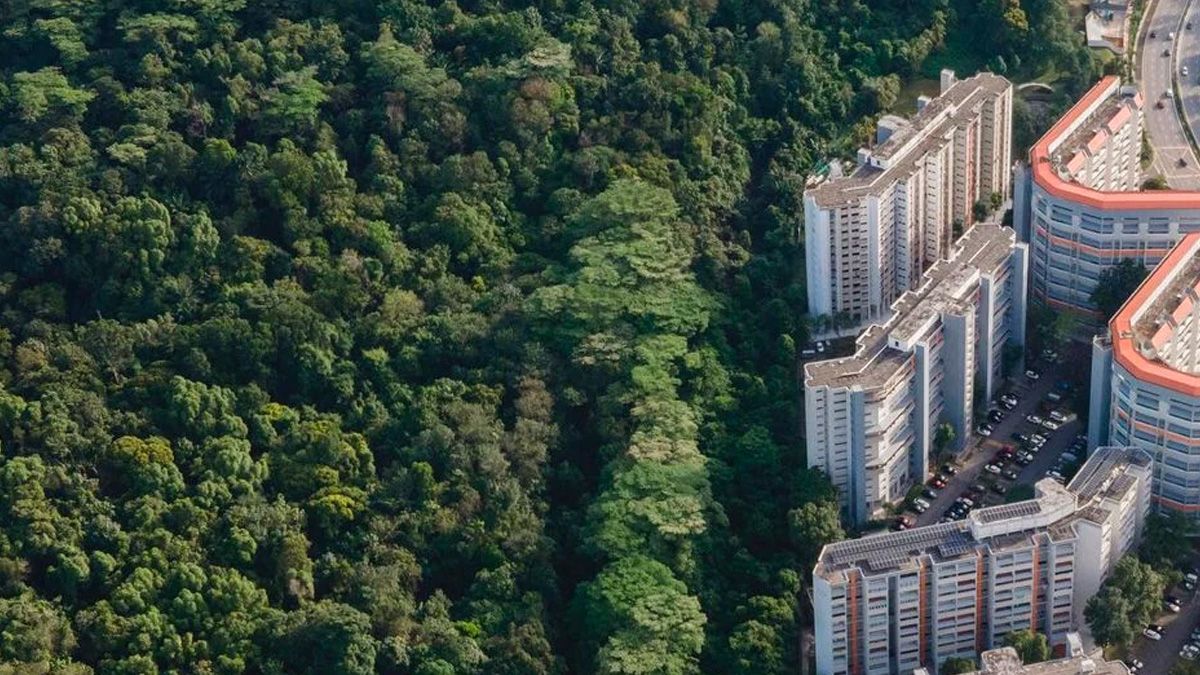
Lee said she was deeply disappointed by the announcement that about 15 hectares of Maju Forest would be cleared to make way for a new public housing development.
Writing as a young Singaporean, Lee argued that public attitudes towards nature have shifted and that planning decisions should reflect that shift.
"For years, we have been proud to tell the world that we are a Garden City," she wrote, adding that Singaporeans today place far greater value on biodiversity and climate resilience.
She said conservation was no longer a niche concern but had become part of how many people think about the quality and liveability of the city. In some cases, she noted, property prices are also reflected by their proximity and access to nature.
Housing and population policy
The central argument of Lee's post was that housing policy cannot be considered in isolation from population policy.
Before sacrificing one of Singapore's remaining secondary forest ecosystems, she wrote, the country must first ask whether enough has been done to address the underlying drivers of housing demand.
She pointed to remarks made during a parliamentary debate in 2021 by PSP Secretary-General and former Non-Constituency Member of Parliament (NCMP) Leong Mun Wai, who highlighted that rapid population growth inevitably increases demand for housing, transport and infrastructure.
"If demand continues to grow relentlessly, more forests and green spaces will inevitably come under pressure for development," Lee wrote.
Plans drawn up decades ago
Lee acknowledged that Maju Forest has been earmarked for residential use for many years, but argued that plans drawn up decades ago should not be implemented uncritically.
Planning decisions, she wrote, should evolve alongside changing public values and Singapore's growing commitment to sustainability.
She said she was encouraged that part of Maju Forest will be retained, but added that this should not prevent a broader discussion on whether alternative approaches could better balance housing needs with environmental conservation.
Lee posed a series of questions in her post: whether Singapore could redevelop underused land, make better use of existing urban spaces, or take a more measured approach to future population growth before clearing one of the country's remaining secondary forests.
Intergenerational stewardship, she wrote, requires difficult questions to be asked before irreversible choices are made.
"When a forest is cleared, it should be because every reasonable alternative has first been exhausted—not because it is simply the most convenient option on the planning map," she wrote.
Irreversibility
Lee stressed that forests such as Maju have taken decades to regenerate and cannot simply be replaced by planting new trees elsewhere.
Once lost, she wrote, much of their biodiversity, ecological value and natural heritage are gone permanently.
She closed by expressing hope that Singaporeans would never have to choose between a roof over their heads and the trees that have quietly watched over them for decades.
"Because a home is more than four walls. It is the birdsong outside our windows. The shade of old trees on a hot afternoon," she wrote, describing the comfort of knowing that future generations would inherit a greener, more liveable Singapore rather than only more buildings.
Lee said she believed Singapore was capable of building homes while protecting the forests that make the island worth calling home, and that the country should not have to choose one over the other.
Party leadership shares the post
Leong shared Lee's post on Facebook, framing it as the party's position on the two sites.
"PSP stands with the petitions to safeguard Gillman Barracks and Maju Forest. Stella Lee, one of our leaders, reflects on this in her article," he wrote.
Petitions and other voices
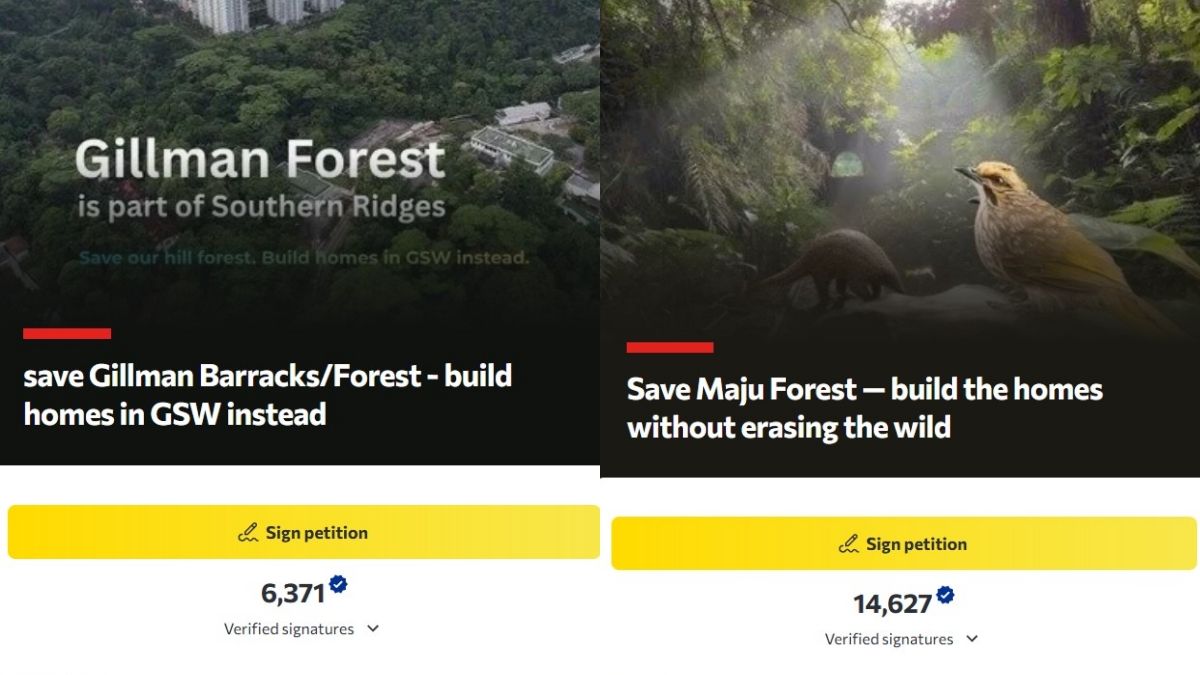
The PSP's intervention follows weeks of public campaigning. The "Save Gillman Barracks/Forest" petition and the "Save Maju Forest — build the homes without erasing the wild" petition have collectively attracted nearly 25,000 supporters.
Raymong Ong, who started the Save Maju Forest petition, has urged supporters to go further than signing, saying the official feedback window closing on 6 August 2026 was what counted, and citing Dover Forest as precedent.
Former Nominated Member of Parliament Anthea Ong raised similar questions in a Facebook post on 12 July, arguing the debate should not be reduced to a choice between housing and conservation.
"Not going to argue over the reasons but have we fully explored other ways of meeting these needs before turning to our forests?" she wrote, suggesting brownfield sites, intensive redevelopment of ageing estates and intergenerational living models.
Melissa Low, Head of the NUS Sustainability Academy and Research Fellow at the Centre for Nature-based Climate Solutions, has called for greater transparency in how trade-offs are weighed.
Writing in a CNA commentary published on 14 July, Low said the published studies did not explain why the redevelopment proposal was selected over alternatives, warning that late consultations risk becoming "an exercise in recording objections rather than shaping policy".
Public criticism has also focused on repeated official references to the Urban Redevelopment Authority's 1980 Master Plan, with commenters arguing that zoning decisions made more than four decades ago should not automatically justify development today.
Background: HDB says plans are not final
The party's intervention follows the Housing and Development Board's (HDB) announcement on Friday, 10 July 2026, that Sunset Way, along with Gillman Barracks, would be developed for housing.
Much of the Sunset Way site within Maju Forest has been zoned for residential use since the 1980 master plan.
HDB chief town planner Dr Chong Fook Loong, who is also group director of the agency's urban planning division, said on Friday, 17 July 2026, that the plans were not final.
"We have to make trade-offs. We have to understand how to balance housing and nature to bring about the best plan, as we always do wherever we go," Dr Chong told CNA ahead of a resident engagement session.
He pointed to the recent Clementi Build-to-Order (BTO) exercise, which was more than four times oversubscribed, as evidence of a great need for more housing supply.
Dr Chong said HDB's first priority was to go for brownfield sites, but that there were very few such sites within Clementi and the surrounding region, leaving the agency to focus on Sunset Way to enhance supply.
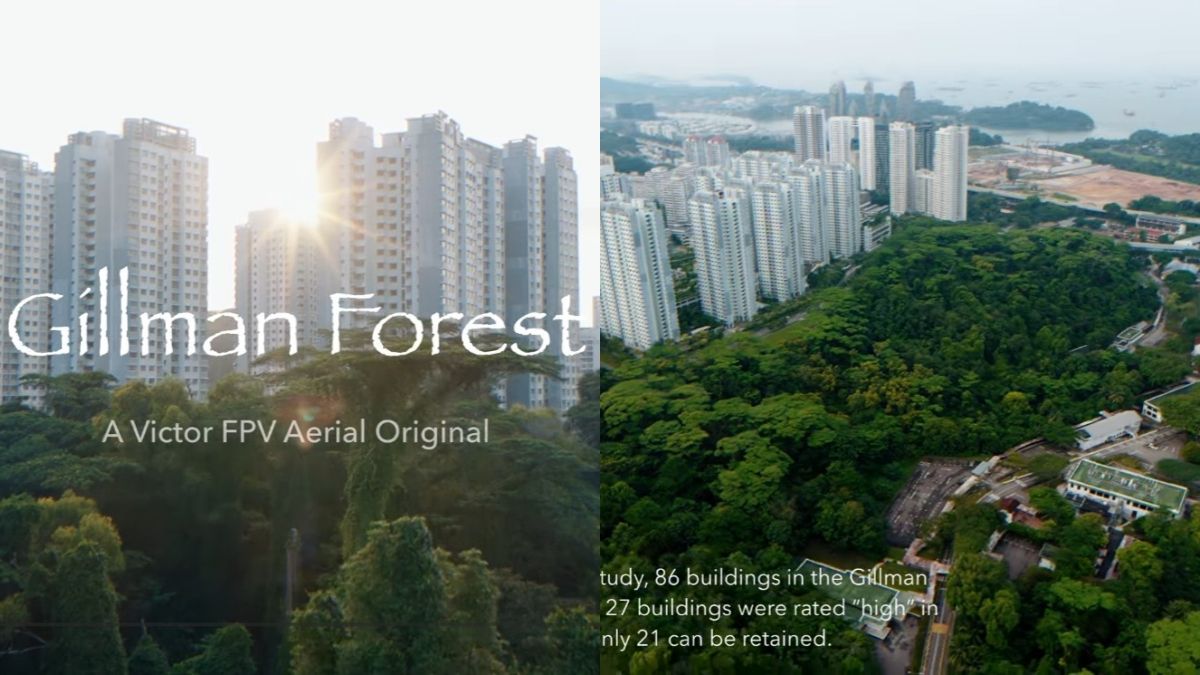
Under current proposals, about eight hectares of the 23-hectare study area would be retained, mostly along the forest's periphery.
At least 100 residents attended a closed-door engagement session at Bukit Timah Community Club, together with Members of Parliament for Holland-Bukit Timah GRC Christopher de Souza and Sim Ann.
Public feedback on the plans remains open until 6 August 2026.